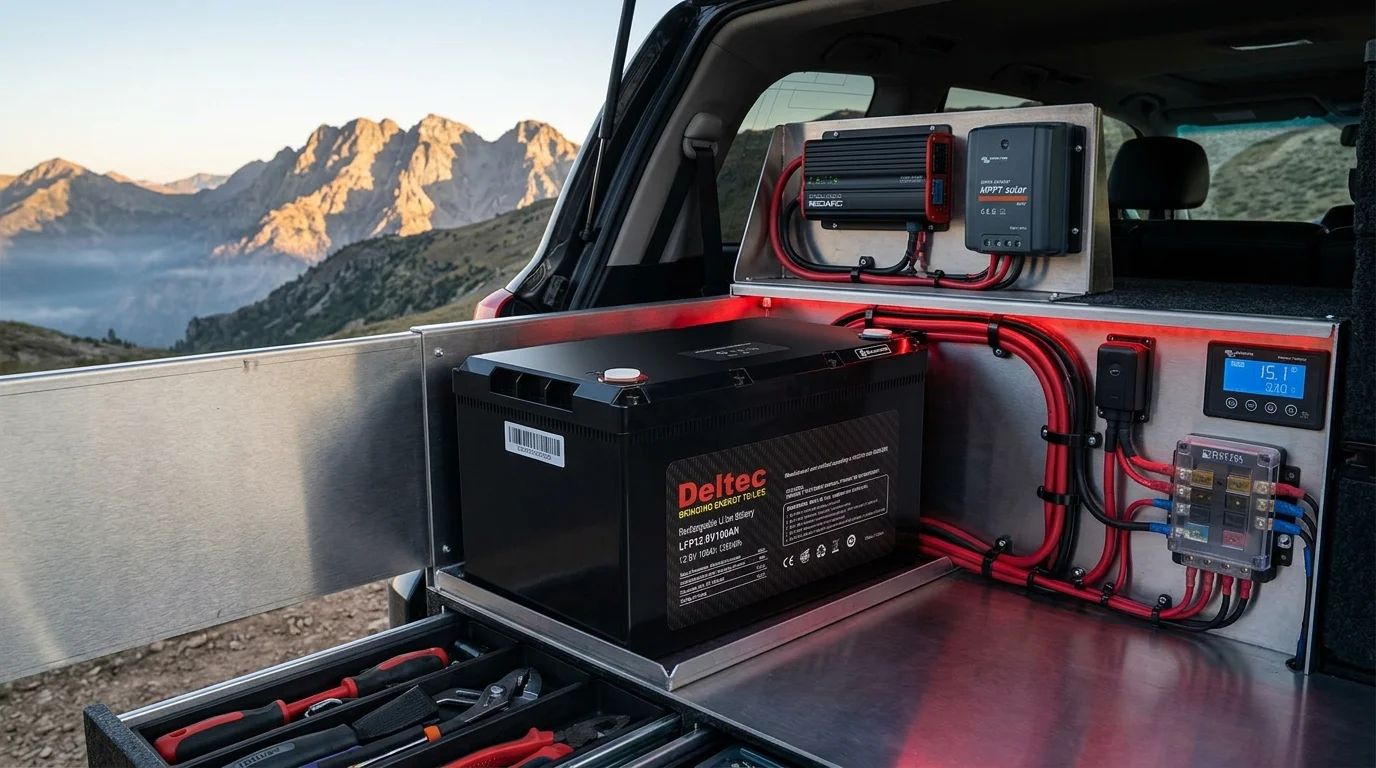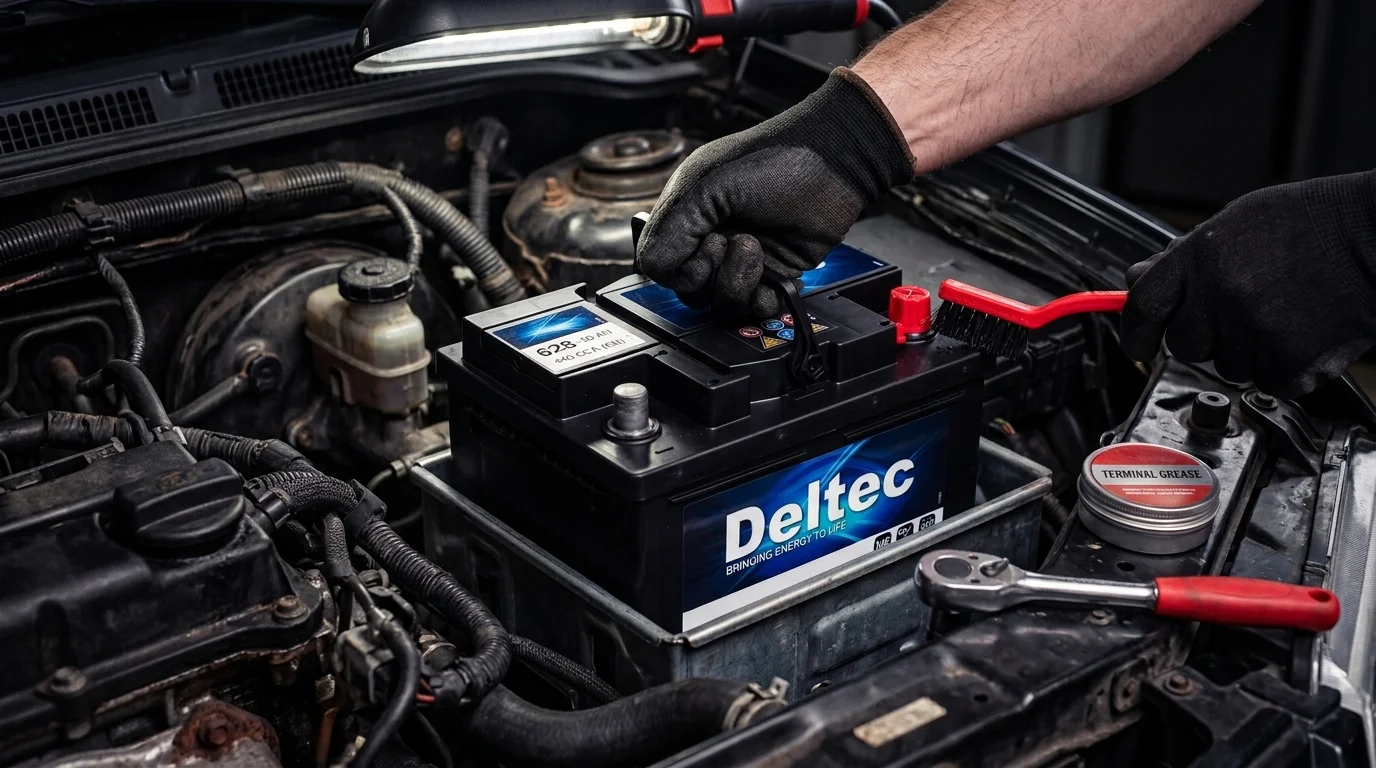
Lithium car batteries get a lot of hype, mostly aimed at overlanders, performance builds, and off-grid setups. But if you are just an everyday driver commuting around Cape Town, does that hype actually apply to you, or is a standard lead-acid battery still the smarter buy?
This post gives you a straight answer. We will walk through what lithium car batteries actually do differently, where that difference genuinely matters for daily driving, and where it does not, so you can decide with real information instead of marketing claims.
What Makes Lithium Car Batteries Different?
Most lithium car batteries on the market use lithium iron phosphate (LiFePO4) chemistry rather than the lead-acid plates found in a standard car battery. That chemistry change brings a few consistent differences: lithium batteries are significantly lighter, often up to 50 to 60 per cent lighter than an equivalent lead-acid battery; they deliver more consistent voltage as they discharge; and they last considerably longer, with 3,000 to 5,000 charge cycles compared to roughly 400 to 500 for lead-acid.
They also require little to no maintenance, since there is no electrolyte to top up and no corrosion risk at the terminals in the same way lead-acid batteries can develop over time.
The Real Benefits for Everyday Drivers
Some of the advantages of lithium car batteries genuinely matter for daily driving, not just for specialised builds.
Faster, More Reliable Starts
Lithium batteries have low internal resistance, which means they can deliver strong, consistent current without the voltage drop you sometimes get from an ageing lead-acid battery, particularly on cold mornings. For daily drivers, this generally shows up as more reliable starts and less of the slow-crank feeling that signals a lead-acid battery is on its way out.
Weight and Lifespan Advantages
The weight saving matters less for a standard sedan than it does for a performance build, but the lifespan advantage applies to everyone. A lithium starter battery that lasts 8 to 12 years, against a lead-acid battery that typically needs replacing every 3 to 5 years, means fewer trips to the battery centre and less risk of being caught out by a battery that dies without warning.
Where Lithium Doesn’t Pay Off for Daily Driving
To give you a fair verdict, it is worth being upfront about where lithium is genuinely overkill for a normal daily driver.
Charging System Compatibility
Lithium batteries need a charging profile suited to their chemistry. Some older vehicles’ charging systems are not set up for this out of the box, and switching without confirming compatibility can affect how well the battery charges or shortens its lifespan. This is a real practical hurdle that a straightforward lead-acid or AGM replacement simply does not involve.
Upfront Cost vs. Actual Need
If your car sees normal daily use with no high-drain accessories, no long periods of standing idle, and no extreme weather demands, a quality AGM battery already covers most of what you need at a lower upfront cost. For a car that is simply starting and running standard electronics, the case for spending significantly more on lithium is genuinely weaker than it is for a 4×4 with a dual-battery setup or a vehicle with heavy stop-start electronics.
Lithium vs AGM vs Lead-Acid: Which Fits Your Car?
Here is a straightforward way to think about which battery type suits your driving pattern:
- Lead-acid: best for older, simpler vehicles with basic electronics and predictable daily use, lowest upfront cost
- AGM: best for modern vehicles with stop-start systems, extra electronics, or drivers dealing with hot Cape Town summers or occasional harsh conditions
- Lithium: best for drivers who want the longest possible lifespan, minimal maintenance, and consistent performance, and who are willing to pay more upfront for it, especially if the vehicle also runs auxiliary power needs
Deltec’s automotive battery range covers all three options, so you can compare specifications side by side rather than guessing.
Is a Lithium Car Battery Worth It for You?
For most everyday drivers doing standard commuting and errands, a quality AGM battery remains the practical sweet spot, offering strong reliability without the compatibility questions or upfront cost of lithium. Lithium starts to make clear sense once your usage moves beyond basic starting duty, such as running additional electronics, spending long periods with the vehicle standing idle, or wanting to minimise replacement frequency over the long term.
If you are unsure which category your driving falls into, that is a reasonable thing to ask about rather than guess at. Chat to Deltec’s team about your specific vehicle and driving pattern before deciding.
How to Switch Safely If You Decide to Upgrade
If you have weighed it up and decided lithium is worth it for your situation, a few steps make the switch smoother:
- Confirm your vehicle’s charging system is compatible with lithium chemistry before purchasing
- Choose a battery with a documented BMS specification and cycle life rating
- Check the physical size and terminal configuration match your vehicle’s battery tray
- Get the installation checked by a qualified technician rather than doing a blind swap
- Ask about warranty terms specific to lithium batteries, which can differ from standard lead-acid warranties
Deltec Lithium Batteries are built with these considerations in mind, with a proper BMS and documented specifications rather than guesswork.
Conclusion
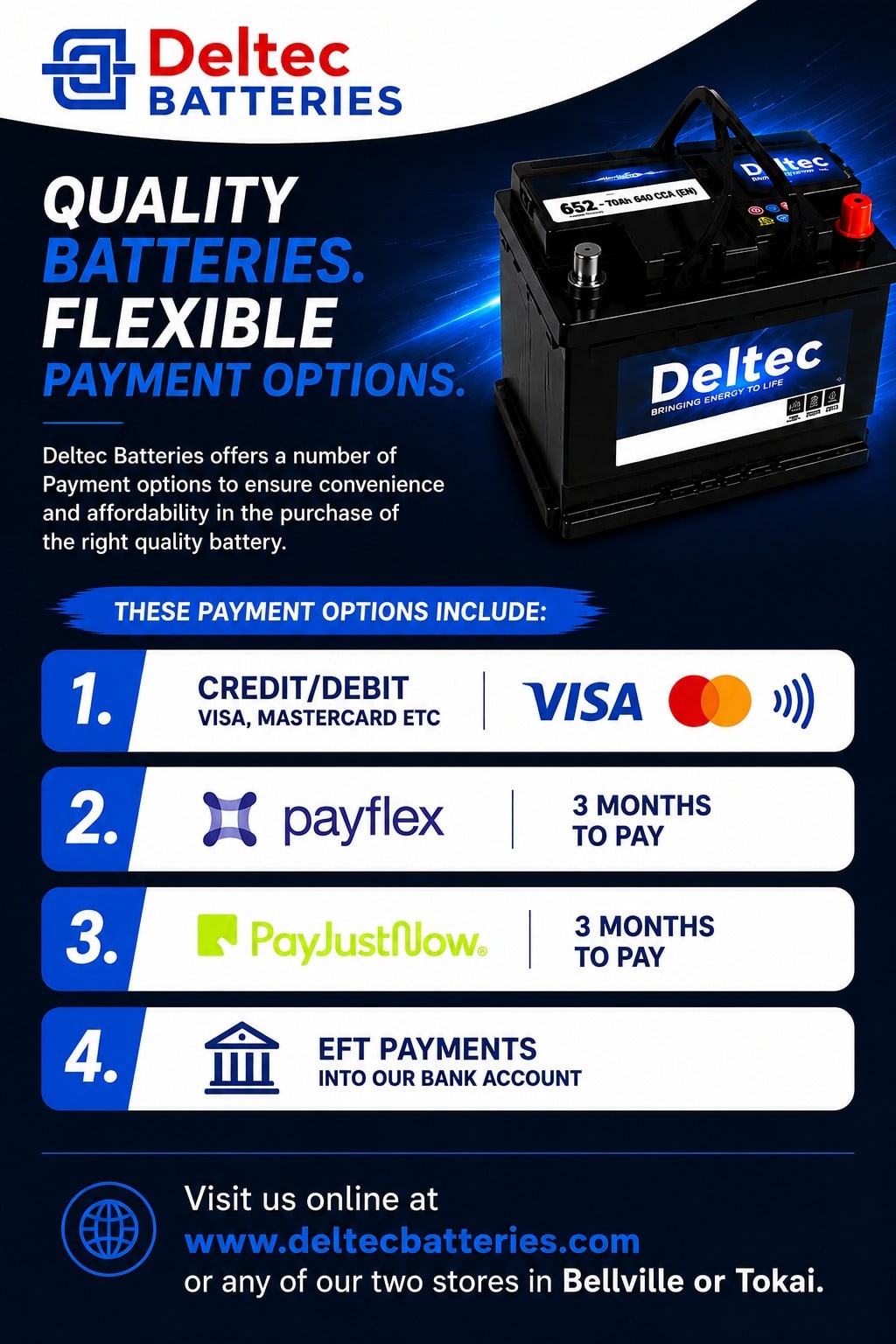
Lithium car batteries are not a universal upgrade, but they are a genuinely strong option for drivers who want longer lifespan, consistent performance, and less maintenance, and who are prepared to pay more upfront for it. If your daily driving fits that profile, it is worth the investment. If it does not, a quality AGM or lead-acid battery will likely serve you just as well. Either way, browse Deltec’s car battery range to compare your options, and remember that PayJustNow and PayFlex are available if you would rather spread the cost of whichever battery ends up being the right fit.
Frequently Asked Questions
Is a lithium battery good for general Automotive use?
Yes, for many drivers. Lithium car batteries offer more consistent voltage, less weight, and a significantly longer lifespan than lead-acid, though they come at a higher upfront cost and require charging system compatibility.
How long do lithium car batteries last compared to a standard battery?
A quality LiFePO4 car battery typically lasts 8 to 12 years or more, compared to 3 to 5 years for a standard lead-acid battery, thanks to a much higher rated cycle life.
Do I need a special charger for a lithium starter battery?
You need to confirm your vehicle’s existing charging system is compatible with lithium chemistry. Some older systems are not set up for it by default, so this is worth checking before you switch.
Are lithium car batteries in South Africa priced much higher than lead-acid?
Yes, lithium car batteries typically cost two to four times more upfront than a comparable lead-acid battery, though the gap narrows when you factor in the significantly longer lifespan and lower maintenance.
Can I just swap my lead-acid battery for a lithium one myself?
You can, but it is worth having a qualified technician check the charging system compatibility, terminal fit, and BMS specifications first, rather than doing a blind swap, to avoid damaging the new battery or your vehicle’s electronics.
Is a lithium car battery overkill for a normal daily driver?
It can be, if your driving is straightforward commuting with no extra electronics or extended idle periods. In that case, a quality AGM battery often covers your needs at a lower cost, and lithium makes more sense once your usage goes beyond basic starting duty.

About Deltec Batteries
At Deltec Batteries we do more than sell batteries, we are a dynamic, forward-thinking company at the forefront of robust, efficient energy solutions – At home. At work. On the road – Wherever life takes you.
Follow Us
@deltecbatteriesbellville
@deltecbatteriestokai
@deltecbatteries
Shop Battery Deals
Battery Power Upgrades
Earn Money Recycling