If you have shopped around for a lithium battery recently, you have probably felt the sticker shock. A lithium battery price can look two to four times higher than a comparable lead-acid or AGM unit, and it is fair to ask what exactly you are paying for.
The short answer is that you are paying for chemistry, engineering, and a completely different lifespan curve. This guide breaks down every factor that shapes lithium battery pricing in South Africa, so you can walk into a purchase knowing whether a quote is fair, overpriced, or too good to be true.
Why Do Lithium Batteries Cost More Than Lead-Acid?
Lithium batteries are not simply a premium version of a lead-acid battery. They use an entirely different set of raw materials and a more complex manufacturing process, and both of those factors show up directly in the price tag.
Raw Materials and Cell Chemistry
The cells themselves are the single biggest cost driver in any lithium battery. Deltec’s lithium range, along with most reputable South African suppliers, uses lithium iron phosphate (LiFePO4) chemistry rather than the lithium-ion blends found in consumer electronics. LiFePO4 is more expensive to produce than basic lead-acid plates, but it is also the safest and most stable lithium chemistry available, with a lower risk of thermal issues than other lithium formulations.
Raw material costs for lithium, iron phosphate, and the supporting cell components can shift with global supply, which is part of why lithium battery pricing has moved around noticeably over the past few years.
Manufacturing and Quality Control
Lead-acid batteries have been mass-produced for more than a century using largely unchanged processes. Lithium battery manufacturing is newer, more precise, and requires tighter tolerances at every stage, from cell matching to sealing. Reputable manufacturers also run extensive quality control and safety testing before a battery ever reaches a shelf, and that testing adds cost that a corner-cutting import will simply skip.
What’s Actually Inside the Price Tag?
A lithium battery price is not just the cells. Several other components and processes are bundled into that number, and understanding them helps you compare quotes properly.
The Battery Management System (BMS)
Every genuine lithium battery includes a built-in Battery Management System that protects against overcharging, over-discharging, and short circuits. This is not an optional extra; it is what keeps a lithium battery safe and extends its usable life. A well-engineered BMS with proper thermal protection adds real cost, but it is also the single biggest difference between a battery that lasts a decade and one that fails within a year.
Cycle Life and Depth of Discharge
Lithium batteries are typically rated for 3,000 to 5,000 charge cycles, compared to 400 to 500 cycles for a standard lead-acid battery. They can also be discharged much deeper, often to 80 to 90 per cent of capacity, without damaging the cell, while a lead-acid battery should rarely be discharged past 50 per cent. That difference in usable capacity and cycle life is a major part of what you are paying for, because it directly determines how many years you get out of the battery.
Certifications and Safety Testing
Look for batteries that carry recognised safety certifications and clear documentation on cycle life, operating temperature range, and BMS specifications. Certification and testing cost money to obtain and maintain, which is exactly why a certified battery from an established supplier costs more than an uncertified import with no verifiable specifications.
Lithium Battery Price by Application
Not all lithium batteries are priced the same way, because the demands placed on them differ by use case.
Automotive and Starter Batteries
For everyday vehicle owners considering a lithium starter battery, pricing reflects the smaller capacity needed for starting duty, but also the need for a BMS that can handle high current bursts safely. Deltec’s automotive battery range includes options across lead-acid, AGM, and lithium so you can compare like for like before deciding what fits your budget and your vehicle.
Leisure, 4×4, and Off-Grid Batteries
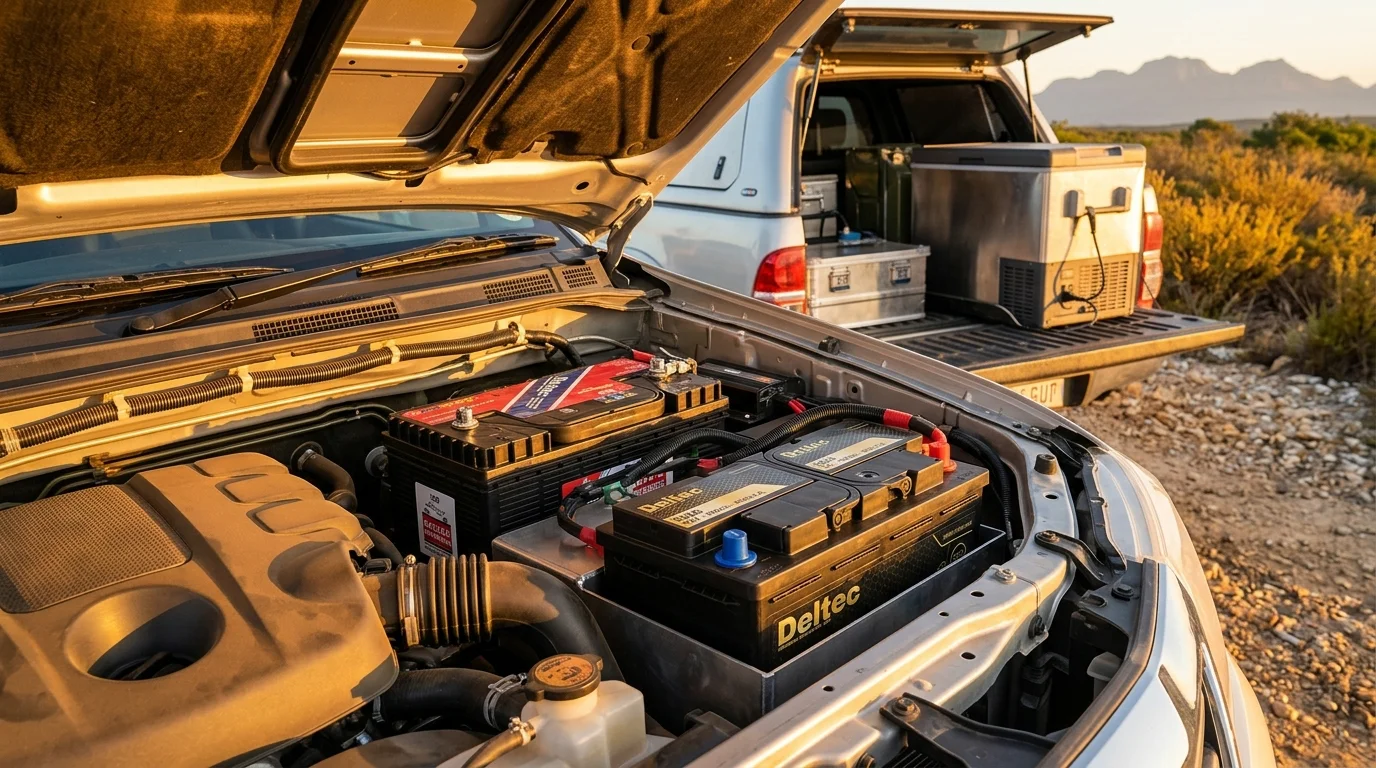
Deep cycle lithium battery price points tend to run higher than starter batteries because these units are built for sustained, repeated deep discharge, the exact use case for camping fridges, inverters, and auxiliary power setups. If you are outfitting a 4×4 or camping setup, this is usually where the total cost of ownership case for lithium is strongest, since these batteries get cycled hard and often.
Is a Cheaper Lithium Battery Really Cheaper?
South Africa’s market includes a wide range of imported lithium batteries at prices that look almost too good to be true. In many cases, they are.
Spotting Corner-Cut Imports
A lithium battery price that is dramatically below the market average is usually a sign that something has been cut, most commonly the BMS quality, the cell grade, or the certification and testing process. Cheaper cells with poor cell matching degrade faster and unevenly, which shortens real-world lifespan far below the advertised cycle count. Before buying on price alone, check for a documented cycle life rating, a stated BMS specification, and a warranty backed by a physical, contactable supplier.
Total Cost of Ownership: Lithium vs Lead-Acid
The upfront price only tells part of the story. To judge real value, you need to look at total cost of ownership over the life of your vehicle or setup.
A driver replacing a basic lead-acid battery roughly every three to five years will pay that replacement cost multiple times over ten years. A quality lithium battery, bought once, often outlasts two or three lead-acid replacements, and it does so with less voltage sag, faster charging, and none of the maintenance or corrosion issues that come with flooded lead-acid units. When you factor in the labour cost of replacements, the inconvenience of an unexpected failure, and the better performance under load, the true cost gap between lithium and lead-acid narrows considerably.
The table below gives a simplified comparison for a typical Cape Town driver:
- Lead-acid battery: lower upfront cost, 3-5 year lifespan, requires 2-3 replacements over 10 years, more voltage drop under load
- AGM battery: mid-range upfront cost, 4-6 year lifespan, better cold cranking performance, still needs periodic replacement
- Lithium (LiFePO4) battery: higher upfront cost, 8-12+ year lifespan under proper use, minimal voltage sag, no maintenance required
How to Get More Value for Your Money
Getting genuine value from a lithium battery purchase comes down to a few practical checks rather than chasing the lowest number on the price tag.
- Ask for the documented cycle life rating and BMS specification before comparing prices
- Confirm the battery uses LiFePO4 chemistry rather than an unspecified lithium blend
- Check that your vehicle or system’s charging profile is compatible with lithium before switching
- Look for a supplier who offers in-person support if something goes wrong, rather than an online-only import
- Compare warranty length and terms, not just the initial purchase price
Deltec’s team at the Bellville and Tokai branches can walk you through these specifications in person and help match a battery to your actual usage and budget, rather than just the cheapest option on the shelf.
What Should You Budget for a Quality Lithium Battery?
Exact pricing depends on capacity and application, but as a general guide, expect a quality lithium starter battery to sit well above the price of an equivalent lead-acid unit, with deep cycle and higher-capacity lithium batteries for leisure and off-grid use priced according to their amp-hour rating and BMS specification. The right way to budget is to weigh that number against the years of service you are likely to get, not against the cheapest lead-acid alternative on the shelf.
Conclusion
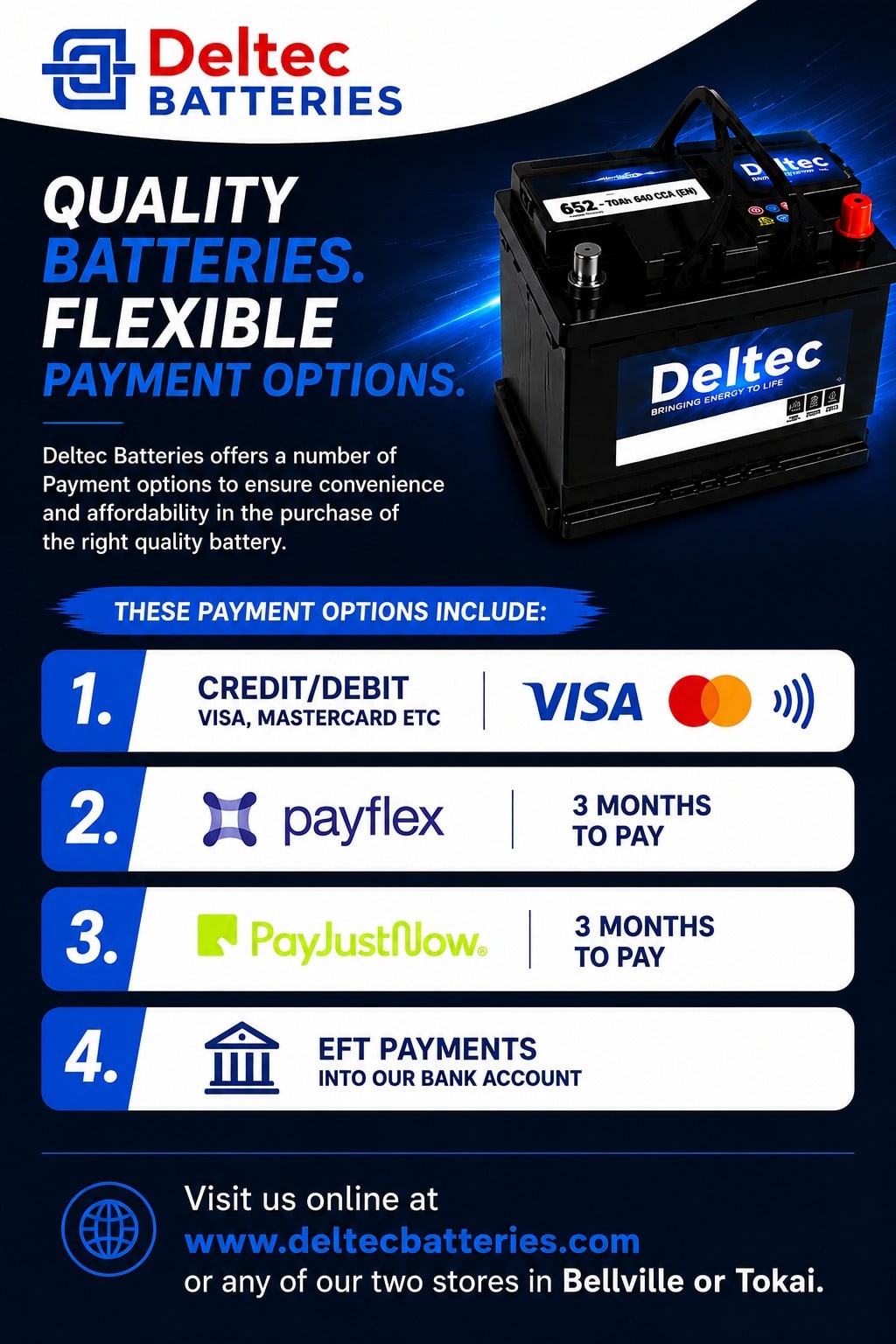
A lithium battery price reflects real engineering, from the cell chemistry to the BMS to the certification process behind it, and understanding that breakdown puts you in a much stronger position to spot genuine value versus a corner-cut import. If you are weighing up whether lithium makes sense for your vehicle, 4×4 setup, or off-grid system, shop Deltec’s lithium battery range or pop into the Bellville or Tokai branch to talk through your options. Deltec also offers PayJustNow and PayFlex, so you can spread the cost of a quality lithium battery without compromising on what actually goes into it.
Frequently Asked Questions
Why is lithium battery price so much higher than lead-acid?
Lithium batteries use more expensive raw materials, a more complex manufacturing process, and include a built-in Battery Management System that lead-acid batteries do not need. That combination, along with a significantly longer cycle life, is what drives the higher lithium battery cost.
How long do lithium batteries last compared to lead-acid?
A quality lithium battery is typically rated for 3,000 to 5,000 charge cycles and can last 8 to 12 years or more under proper use, compared to 400 to 500 cycles and 3 to 5 years for a standard lead-acid battery.
Is a cheaper lithium battery worth buying?
Not always. A lithium battery price that looks unusually low is often a sign of a lower-grade BMS, poorly matched cells, or missing certification, all of which shorten real-world lifespan well below what is advertised.
What affects lithium iron phosphate battery price the most?
Cell chemistry and quality account for the largest share of the cost, followed by the Battery Management System, cycle life rating, and any safety certification or testing the manufacturer has completed.
Does a lithium car battery need a special charging system?
In most cases, yes. Lithium batteries require a charging profile suited to their chemistry, so it is worth confirming compatibility with your vehicle’s charging system before switching from lead-acid or AGM.
Is lithium cheaper than lead-acid in the long run?
When you factor in total cost of ownership, including fewer replacements, less maintenance, and better performance under load, a quality lithium battery often works out more cost-effective over 10 years than repeatedly replacing lead-acid batteries.

About Deltec Batteries
At Deltec Batteries we do more than sell batteries, we are a dynamic, forward-thinking company at the forefront of robust, efficient energy solutions – At home. At work. On the road – Wherever life takes you.
Follow Us
@deltecbatteriesbellville
@deltecbatteriestokai
@deltecbatteries
Shop Battery Deals
Motorcycle Batteries
Convenient payment
Earn Money Recycling
Recent Blog pOSTS