It’s always the same story.
You get in. Turn the key. And instead of that familiar engine rumble, you get… nothing. Or maybe a weak click. Maybe a slow crank that fades into silence.
A car battery dies suddenly, and it feels exactly like that—sudden. No warning. No build-up. Just an inconvenience at the worst possible moment.
But here’s the truth: it’s rarely actually sudden.
Most of the time, your battery has been giving small signs. Quiet ones. Easy to ignore. Until one day, it simply doesn’t have anything left to give.
And in places like Cape Town, where daily driving, short trips, and even weather shifts play a role, these failures are more common than you might think.
Let’s break down what really causes it—and how to avoid being caught off guard.
What Causes a Car Battery to Die Suddenly?
1. Leaving Lights or Electronics On
Let’s start with the obvious one. But also the most common.
Leaving your headlights, interior lights, or even the radio on overnight can drain your battery completely.
It’s like leaving a tap running. Slowly at first. Then completely empty.
And yes—it happens to everyone at least once.
2. A Weak or Ageing Battery
Batteries don’t last forever. Most last between 3 and 5 years.
After that, performance drops. Not dramatically at first. Just enough to notice… if you’re paying attention.
Then one day, especially under stress (cold morning, short trips), it fails.
This is one of the biggest reasons a car battery dies suddenly—it’s not sudden, it’s overdue.
3. Extreme Temperatures
Heat and cold both affect your battery.
- Heat accelerates internal wear
- Cold reduces starting power
So while winter often gets blamed, summer can quietly damage your battery long before that cold morning failure.
It’s a bit unfair, really. The battery gets hit from both sides.
4. Faulty Alternator
Your alternator keeps your battery charged while you drive.
If it fails, your battery isn’t being replenished.
So even if your battery is new, it can still go flat quickly.
You might notice:
- Dim lights while driving
- Electrical issues
- The battery warning light on your dashboard
Or… nothing at all until the car stops starting.
5. Corroded or Loose Connections
Battery terminals matter more than most people think.
Corrosion or loose connections can:
- Interrupt power flow
- Prevent proper charging
- Cause inconsistent performance
It’s like having a good water supply… but a blocked pipe.
6. Short Trips and Infrequent Driving
This one catches a lot of people off guard.
If you’re only driving short distances, your battery doesn’t fully recharge.
Over time, it slowly drains.
This is common in city driving—quick errands, school runs, stop-start routines.
It feels normal. But your battery is quietly losing strength.
7. Parasitic Drain
Even when your car is off, some components still use power.
Things like:
- Alarm systems
- Dash cams
- Faulty wiring
Normally, this drain is minimal. But if something goes wrong, it can drain your battery overnight.
And that’s when it really feels “sudden.”
Warning Signs You Might Have Missed
Sometimes the signs are there—but subtle.
- Slow engine crank
- Dim headlights
- Clicking sound when starting
- Electrical glitches
They don’t always scream “problem.” They whisper it.
And it’s easy to ignore a whisper… until it becomes silence.
How to Prevent Sudden Battery Failure
1. Test Your Battery Regularly
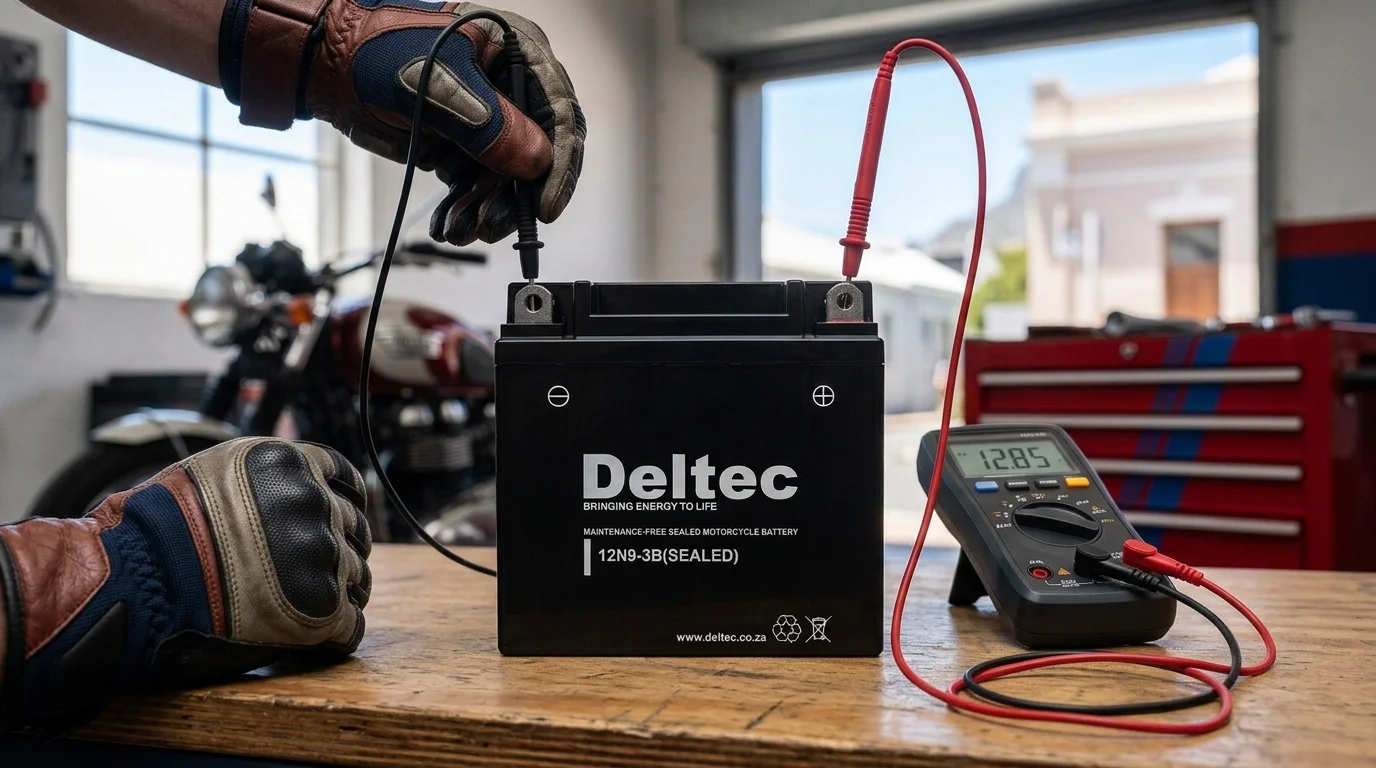
A quick battery test can tell you a lot.
Don’t wait for failure. Test before it happens.
2. Drive Longer Occasionally
Give your battery time to recharge fully.
Even a 15–20 minute drive can help maintain charge levels.
3. Check Terminals and Connections
Clean, secure connections improve performance.
It’s a simple fix that makes a noticeable difference.
4. Replace Before It Fails
If your battery is nearing the 3–5 year mark, consider replacing it proactively.
Waiting often leads to inconvenience.
Considering a Better Alternative?
This is where things get interesting.
Traditional batteries work. But they have limitations.
A lithium battery offers:
- Longer lifespan
- Faster charging
- Better performance under load
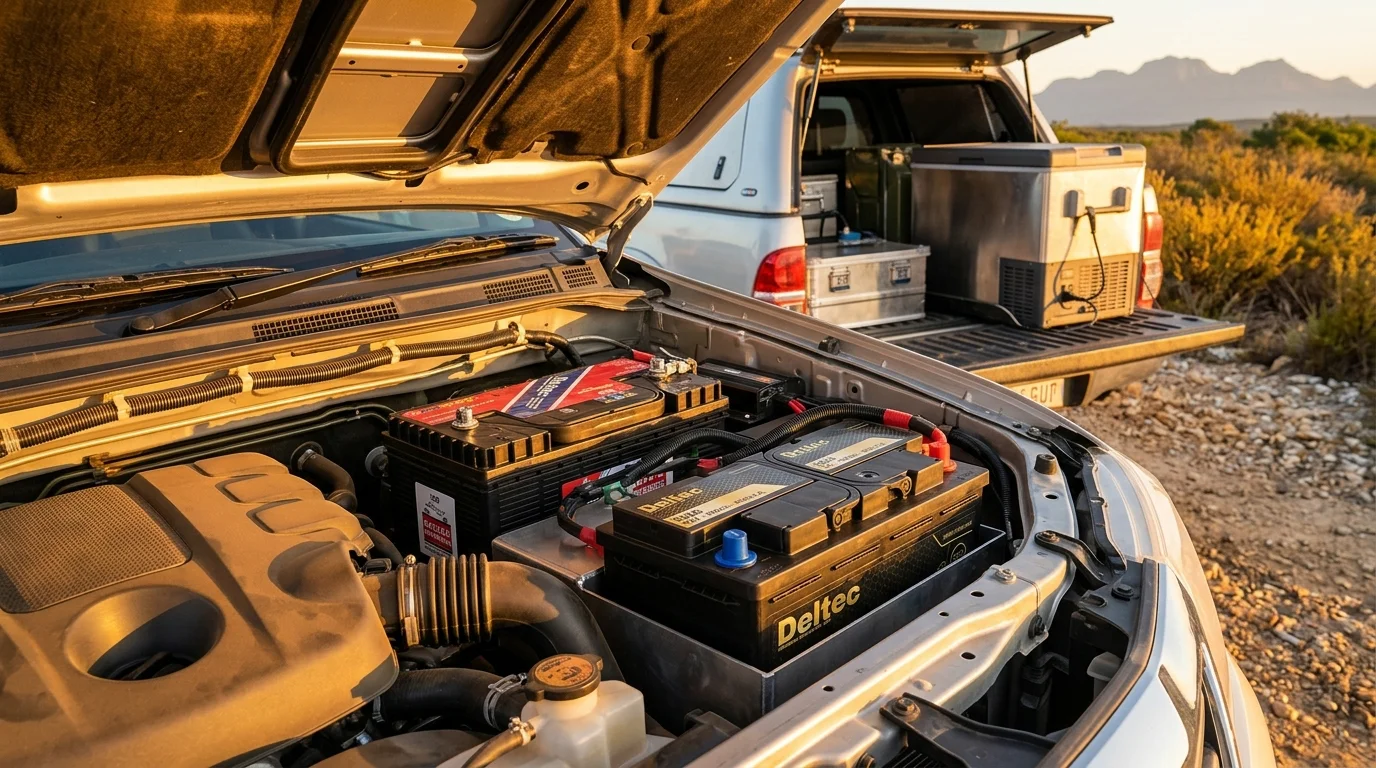
It’s not always necessary for every driver. But if you rely on consistent power—especially for off-grid setups—it’s worth considering.
(Learn more in our guide on 5 Signs It’s Time to Upgrade to a Lithium Battery.)
Internal Resources
External Resources
For further reading:
Frequently Asked Questions
What is a lithium battery used for?
A lithium battery is commonly used for:
- Vehicles and dual battery systems
- Solar and backup power
- Camping and off-grid setups
It’s designed for reliable, long-lasting energy storage.
What is the difference between a lithium battery and a regular battery?
Lithium batteries:
- Last longer
- Charge faster
- Handle deeper discharge
Regular (lead-acid) batteries are cheaper upfront but less durable over time.
What is the lifespan of a lithium battery?
A lithium battery typically lasts between 5 and 10 years, depending on usage.
How long will a lithium battery hold a full charge?
Lithium batteries can hold a charge for months due to low self-discharge rates.
Bringing It All Together
A car battery dies suddenly—that’s how it feels.
But in reality, it’s usually a slow build-up. Small issues are stacking up over time.
A forgotten light. A weak battery. Short trips. A failing alternator.
Individually, they don’t seem like much.
Together, they leave you stranded.
The good news?
Most of these problems are preventable.
A little awareness goes a long way. And a bit of maintenance goes even further.