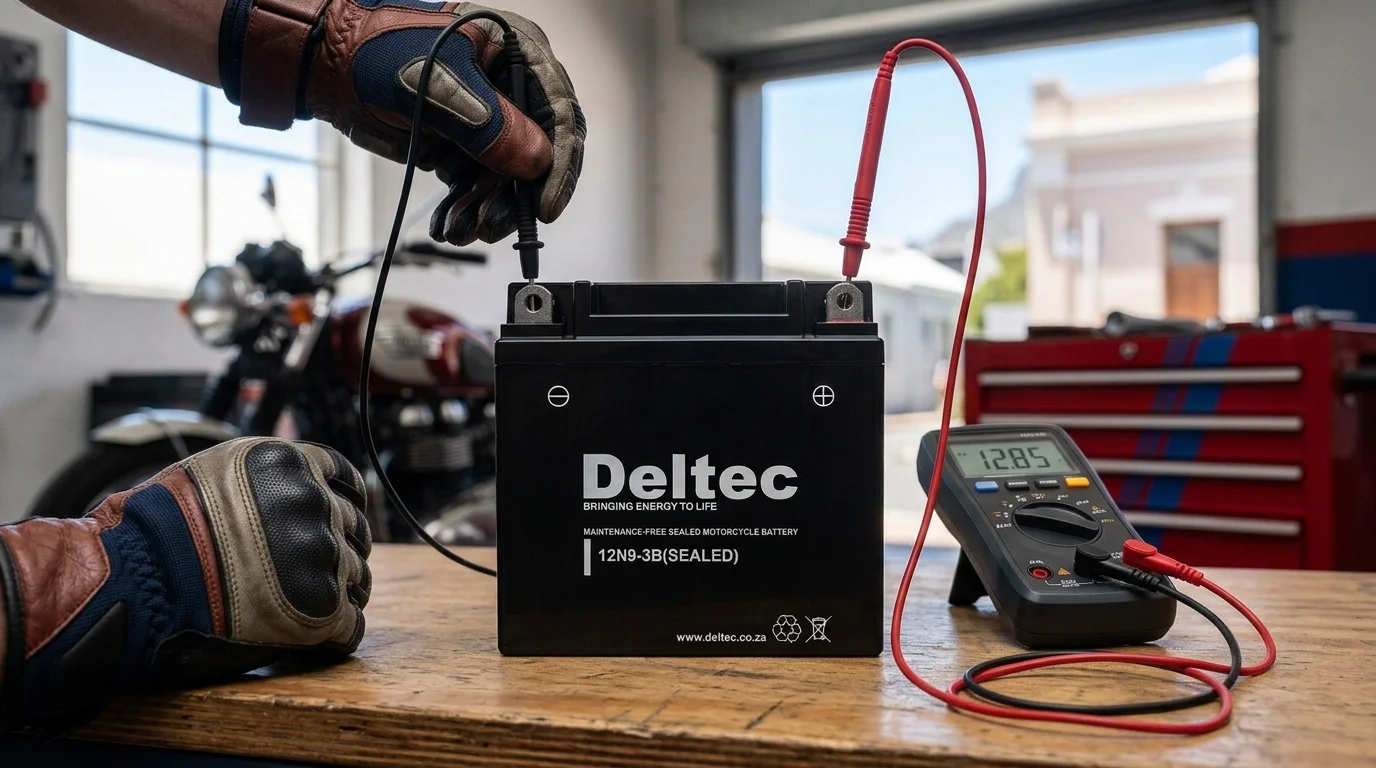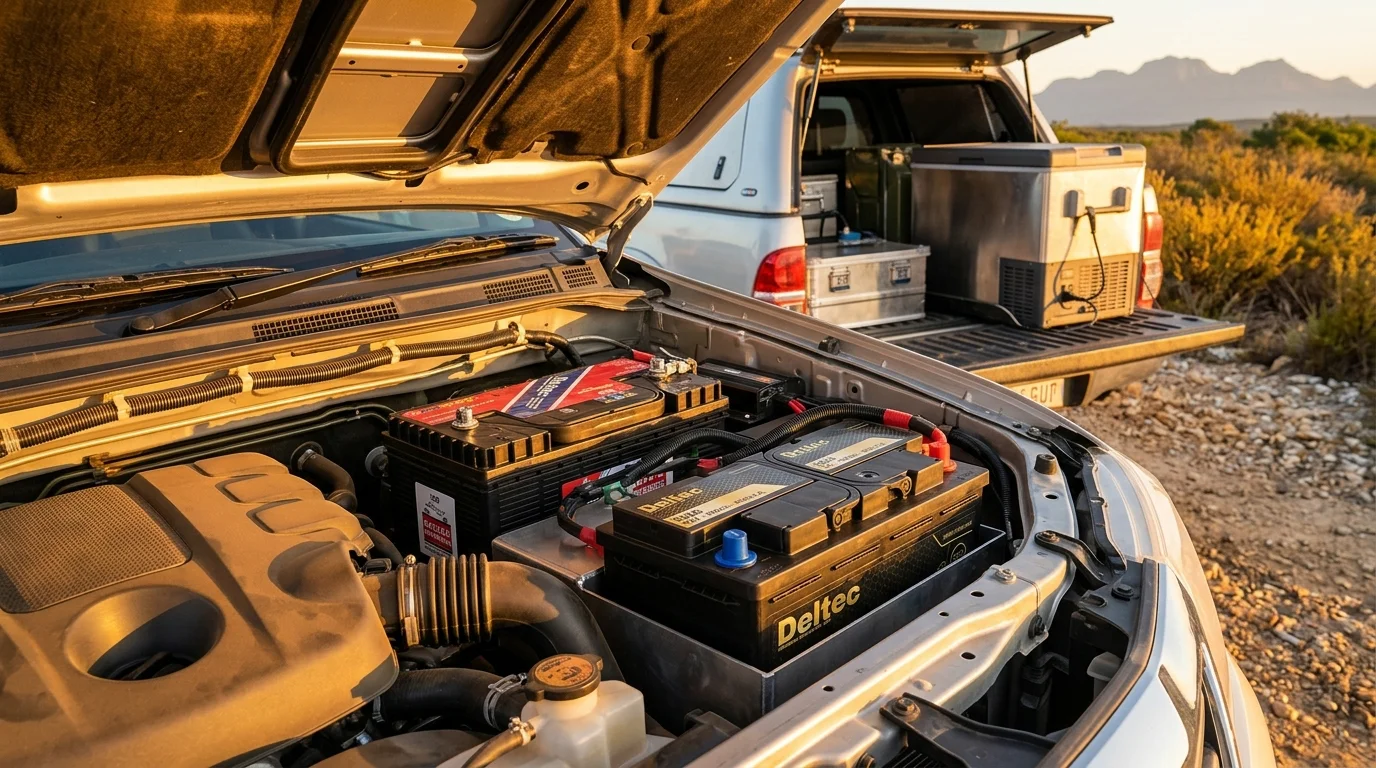
Most of us only think about automotive batteries when the car refuses to start. One moment everything seems normal, and the next you’re turning the key and hearing… nothing. Or maybe just that slow, tired crank.
It’s a bit like waking up before your morning coffee—technically possible, but things just don’t feel right.
Your car battery works quietly in the background. It powers the starter motor, supports electronics, and stabilises the electrical system. Yet, like any hardworking component, it doesn’t last forever. Eventually, it begins to weaken.
Recognising the early signs of battery failure can save you time, money, and a fair bit of roadside frustration.
This guide will help you understand how to know when your car battery needs replacing, what causes battery wear, and how long batteries typically last.
What Your Automotive Battery Actually Does
Before diving into warning signs, it helps to understand the role of the battery.
Your car’s battery stores electrical energy and delivers a burst of power to start the engine. Once the engine runs, the alternator takes over and keeps the battery charged while powering electrical systems.
Think of it like a relay team. The battery starts the race. The alternator runs a long distance.
Modern vehicles depend even more heavily on batteries. Everything from infotainment systems to advanced driver sensors relies on steady electrical power. That means healthy automotive batteries are more important than ever.
Warning Signs Your Car Battery Needs Replacing

1. Slow Engine Crank
One of the earliest signs of a weak battery is a slow engine crank.
Instead of the engine turning over quickly, it hesitates. The starter sounds sluggish. Sometimes it takes two attempts before the engine fires up.
It’s easy to dismiss this at first. Maybe the weather is cold. Maybe the car sat overnight.
But if it keeps happening, your battery could be losing its ability to deliver sufficient starting power.
2. Dashboard Warning Light
Most vehicles have a battery warning light on the dashboard.
If that light appears, it doesn’t always mean the battery itself is dead. Sometimes it indicates an issue with the charging system, alternator, or wiring.
Still, the warning shouldn’t be ignored. It’s your vehicle’s way of raising a small red flag.
A professional battery test can quickly confirm whether the problem lies with the battery or another electrical component.
3. Dim Lights and Electrical Problems
When automotive batteries weaken, electrical systems often struggle.
You might notice:
- Dim headlights
- Slow power windows
- Infotainment glitches
- Dashboard flickering
These issues happen because the battery can’t maintain a consistent voltage.
Imagine trying to run a kettle on a dying extension lead. The power simply isn’t strong enough.
4. Frequent Jump Starts
Needing a jump start once isn’t unusual.
Needing one every few weeks? That’s another story.
Repeated jump starts usually mean the battery is no longer holding a charge. While jump-starting can get you moving temporarily, it’s not a permanent solution.
In fact, repeatedly jump-starting an ageing battery can sometimes accelerate its failure.
5. Swollen or Corroded Battery Case
Pop the bonnet and take a look at the battery itself.
Signs of trouble include:
- Bulging battery casing
- Acid leaks
- White or blue corrosion around terminals
Heat and chemical reactions inside the battery can cause swelling over time.
If the casing looks distorted, it’s usually time for replacement.
6. The Battery Is More Than Three Years Old
Here’s the truth many drivers overlook.
Even if your battery still works, age matters.
Most automotive batteries last three to five years, depending on driving habits and climate conditions.
In hotter regions—like many parts of South Africa—heat can shorten battery lifespan significantly. High temperatures accelerate internal chemical reactions, gradually degrading the battery.
If your battery is approaching the three-year mark, testing it during regular servicing is a smart move.
What Causes Automotive Batteries to Fail?
Battery wear is inevitable, but certain habits can speed up the process.
Short Trips
Frequent short trips prevent the alternator from fully recharging the battery.
Over time, partial charging reduces battery capacity.
Extreme Temperatures
Heat is particularly harsh on batteries.
High temperatures can cause internal evaporation, weakening the chemical composition.
Cold weather also affects battery performance, though heat tends to shorten lifespan more dramatically.
Leaving Lights On
This one has caught nearly everyone at least once.
Interior lights, headlights, or even a slightly open door can drain a battery overnight.
Modern vehicles sometimes warn you, but not always.
Faulty Charging System
Sometimes the battery isn’t the real problem.
A malfunctioning alternator or voltage regulator can overcharge or undercharge the battery, damaging it over time.
This is why professional testing matters before replacing the battery.
Simple Ways to Extend Battery Life
Fortunately, a few small habits can extend battery life significantly.
1. Drive longer occasionally.
Allow the alternator time to fully recharge the battery.
2. Keep terminals clean.
Corrosion interferes with electrical flow.
3. Switch off electronics before leaving the car.
Headlights, chargers, and infotainment systems can drain power.
4. Test your battery annually.
Many auto electrical shops offer quick battery tests.
Preventative maintenance is always easier than dealing with a flat battery in a parking lot.
FAQs About Automotive Batteries
What are the three types of automotive batteries?
The three most common types of automotive batteries are:
- Lead-acid batteries – Traditional and widely used. Affordable and reliable.
- AGM batteries (Absorbent Glass Mat) – More durable and designed for modern vehicles with advanced electronics.
- Lithium batteries – Lightweight and long-lasting, often used in specialised or high-performance applications.
Each type serves different vehicle needs depending on electrical demand and driving conditions.
How long do car batteries last?
Most car batteries last between three and five years.
However, factors like climate, driving habits, and vehicle electronics can shorten or extend lifespan.
Hot climates tend to reduce battery life, while regular, longer drives can help maintain battery health.
Can a dead car battery be recharged?
Yes, in many cases, a dead battery can be recharged using a battery charger or by jump-starting the vehicle.
However, if the battery repeatedly goes flat or struggles to hold a charge, replacement is usually the better option.
Older batteries lose the ability to store energy effectively.
When charging a battery, do you put red or black on first?
When connecting jumper cables or chargers:
- Attach the red (positive) cable first.
- Then attach the black (negative) cable.
When disconnecting, remove the black cable first.
Following this order helps prevent electrical sparks and protects the vehicle’s electrical system.
When It’s Time for a New Battery
Eventually, every battery reaches the end of its useful life.
Replacing it before complete failure can save you from inconvenient breakdowns. A healthy battery ensures your vehicle starts reliably, powers electronics properly, and keeps the electrical system stable.
If your battery shows any of the warning signs above, a professional test can quickly confirm its condition.
Learn More About Vehicle Power and Battery Systems
If you want to dive deeper into vehicle power systems, these guides may help:
- What Happens If You Don’t Install a Dual Battery System Properly?
- Off-Grid Camping Power Explained (Beginner to Advanced)
Final Thoughts
Your car battery may be small, but it plays a huge role in keeping your vehicle running smoothly.
The key is noticing the subtle warning signs before the battery fails. Slow cranking, dim lights, and repeated jump starts are all signals your car is trying to send.
Pay attention to those signals. Because when it comes to automotive batteries, a little awareness goes a long way toward avoiding that dreaded moment when the engine simply refuses to start.
Visit Deltec Batteries in Bellville or Tokai for battery fitments and advice.