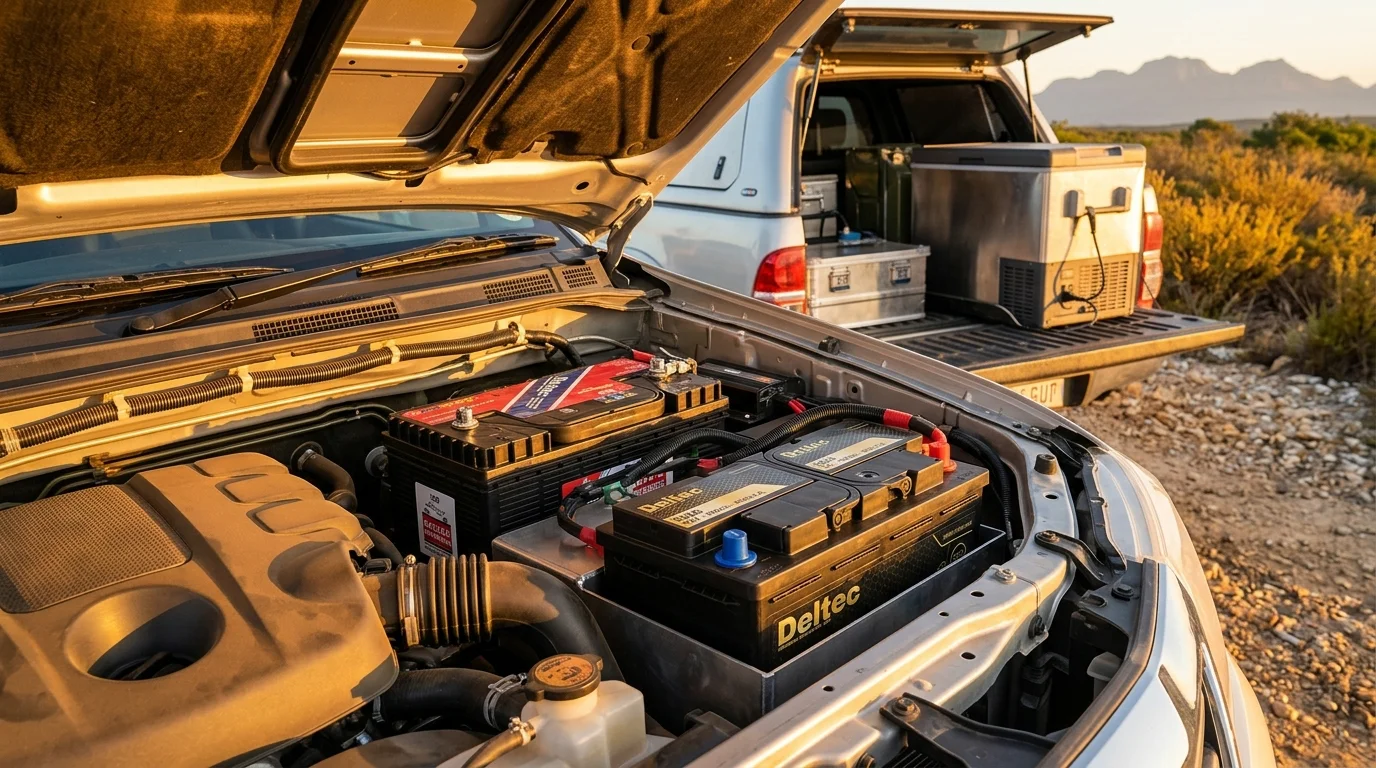
Camping in South Africa has a way of humbling you. One minute you’re planning a relaxed weekend away, and the next you’re standing in the bush wondering if your fridge is still running or if you miscalculated something important. It usually comes down to one thing: camping battery capacity needed.
And if you’ve ever been at a place like the Karoo, the Cederberg, or even a remote AfrikaBurn setup, you’ll know this feeling. Power isn’t just convenience out there. It quietly becomes comfort, safety, and sometimes sanity.
So, how much battery capacity do you really need for camping? The honest answer is: it depends more than most people think. But once you understand a few basics, it becomes surprisingly simple.
What Battery Capacity Actually Means (Without the Overthinking)
Let’s keep this simple.
Think of your battery like a water tank.
Your appliances, fridge, lights, phone chargers, even that small camping coffee machine everyone pretends is “essential”, are all taps pulling water from that tank. The bigger the tank, the longer you can go without refilling it.
Battery capacity is measured in Ah (amp hours). But you don’t really need to obsess over the numbers at first. What matters more is understanding that capacity = how long your power lasts.
And here’s where most campers get it wrong. They either:
- Buy too small and run out of power halfway through the trip
- Or buy something massive that they never fully use
It’s a bit like packing for a weekend away and taking three jackets “just in case” but still forgetting toothpaste.
The goal is balance. Not excess. Not a shortage. Just right.
Why Most People Misjudge Their Camping Battery Capacity Needs
If you’ve ever gone camping in South Africa, you’ve probably seen both extremes.
Some people arrive with minimal setups, hoping for the best. Others look like they’re powering a small festival.
The truth sits somewhere in the middle.
A few common mistakes:
- Underestimating fridge power usage (this is the big one)
- Forgetting how quickly small devices add up
- Not planning for multiple days of cloudy weather if using solar
- Thinking “we’ll just charge while driving” solves everything
It usually doesn’t.
And then there’s AfrikaBurn-style setups. Out there, power becomes a different conversation entirely. You’re not just running a fridge. You’re running a lifestyle in the middle of dust, heat, and long nights. Suddenly, battery planning becomes very real, very fast.
Key Factors That Determine Your Camping Battery Size
Before you decide on battery size, you need to think through three things.
1. What you’re actually powering
This is where people usually overcomplicate things. Keep it practical:
- Fridge or freezer (usually the biggest drain)
- Lights (small but constant use)
- Phones, cameras, and laptops
- Air pumps, water pumps, small extras
It adds up quietly. That’s the trick.
2. How long will you be off-grid
A weekend in the Overberg is very different from a week in the Karoo or a full AfrikaBurn setup.
Short trips can survive on smaller systems. Longer trips need more buffer.
3. How you’ll recharge
In South Africa, most setups rely on:
- Vehicle alternator charging while driving
- Solar panels (very common for camping culture here)
- Occasional generator backup
If your recharge options are limited, you need more stored capacity. Simple as that.
Simple Camping Battery Guide (No Maths Panic)
Let’s strip the confusion away.
- Light camping (weekend, minimal appliances): a smaller battery setup can work
- Moderate camping (fridge + devices + lights): mid-range dual battery system recommended
- Heavy off-grid or AfrikaBurn-style setups: a larger lithium system is usually the safest choice
Now, AGM vs lithium comes up a lot.
- AGM batteries: more affordable, reliable, but heavier and slower to recharge
- Lithium batteries: more expensive upfront, but lighter, deeper cycling, and longer lifespan
Here’s the simple way to think about it: AGM is “get me going”, lithium is “keep me going without stress”.
And in camping, especially longer trips, stress is exactly what you’re trying to avoid.
Lessons from AfrikaBurn – When Power Stops Being Optional
AfrikaBurn is a good reality check.
Out there, you quickly realise power is not just about comfort. It becomes part of your daily rhythm. Lights at night, keeping devices charged, running small essentials in harsh conditions… it all matters more than expected.
There’s also something about that environment that changes your mindset. You stop thinking in “nice-to-have” terms and start thinking in “what do I actually need to function properly out here?”
It’s dusty, it’s remote, and things don’t always go according to plan. Which is exactly why proper battery capacity matters.
It’s not about luxury. It’s about reliability when conditions aren’t perfect.
Common Camping Battery Mistakes (And How to Avoid Them)
A few things come up again and again:
- Thinking your fridge uses less power than it actually does
- Not accounting for overcast days when relying on solar
- Running batteries too low too often (this shortens lifespan)
- Buying “just enough” instead of building in a buffer
That last one is probably the biggest issue. People aim for exact match capacity when a small buffer makes everything easier.
Not dramatically bigger. Just a bit of breathing room.
How to Choose the Right Battery Setup
Here’s a simple way to approach it:
- List what you’ll power
- Estimate how long you’ll be away
- Identify how you’ll recharge
- Add a buffer (always)
If you’re unsure, it’s usually safer to go slightly bigger. Not excessive. Just enough so you’re not constantly watching battery levels like a countdown clock.
Camping should feel relaxed, not like you’re managing a power grid in the bush.
FAQ Section
Is 100Ah enough for camping?
It can be, depending on your setup. For light camping with small loads like lights and phone charging, 100Ah often works well. But once you add a fridge and longer stays, it can become limiting faster than expected.
Which battery is best for camping?
Lithium batteries are generally the best for camping because they offer deeper discharge, faster charging, and longer lifespan. AGM batteries still work well for budget-conscious setups, especially shorter trips.
How long will a camping battery last on a single charge?
It depends on usage. A 100Ah battery might last 1 to 3 days with moderate use. Fridge usage is usually the biggest factor affecting runtime.
Do I need a dual battery system for camping in South Africa?
If you camp regularly or go on longer trips, yes, it’s highly recommended. It separates your vehicle’s starter battery from your camping power, adding safety and reliability.
Final Thoughts
At the end of the day, choosing the right camping battery capacity needed is less about technical perfection and more about understanding how you actually camp.
Some people need minimal setups. Others need full off-grid systems. Most fall somewhere in between.
But the goal is always the same: enough power so you can relax, enjoy the trip, and not think about it every hour.
Because once the lights are on, the fridge is running, and everything just works… camping feels the way it’s supposed to. Simple, quiet, and a little bit free.
And that’s really what good power gives you. Visit Deltec Batteries in Bellville or Tokai today!
Internal Linking Suggestions

About Deltec Batteries
At Deltec Batteries we do more than sell batteries, we are a dynamic, forward-thinking company at the forefront of robust, efficient energy solutions – At home. At work. On the road – Wherever life takes you.
Follow Us
@deltecbatteriesbellville
@deltecbatteriestokai
@deltecbatteries
Shop Battery Deals
Motorcycle Batteries
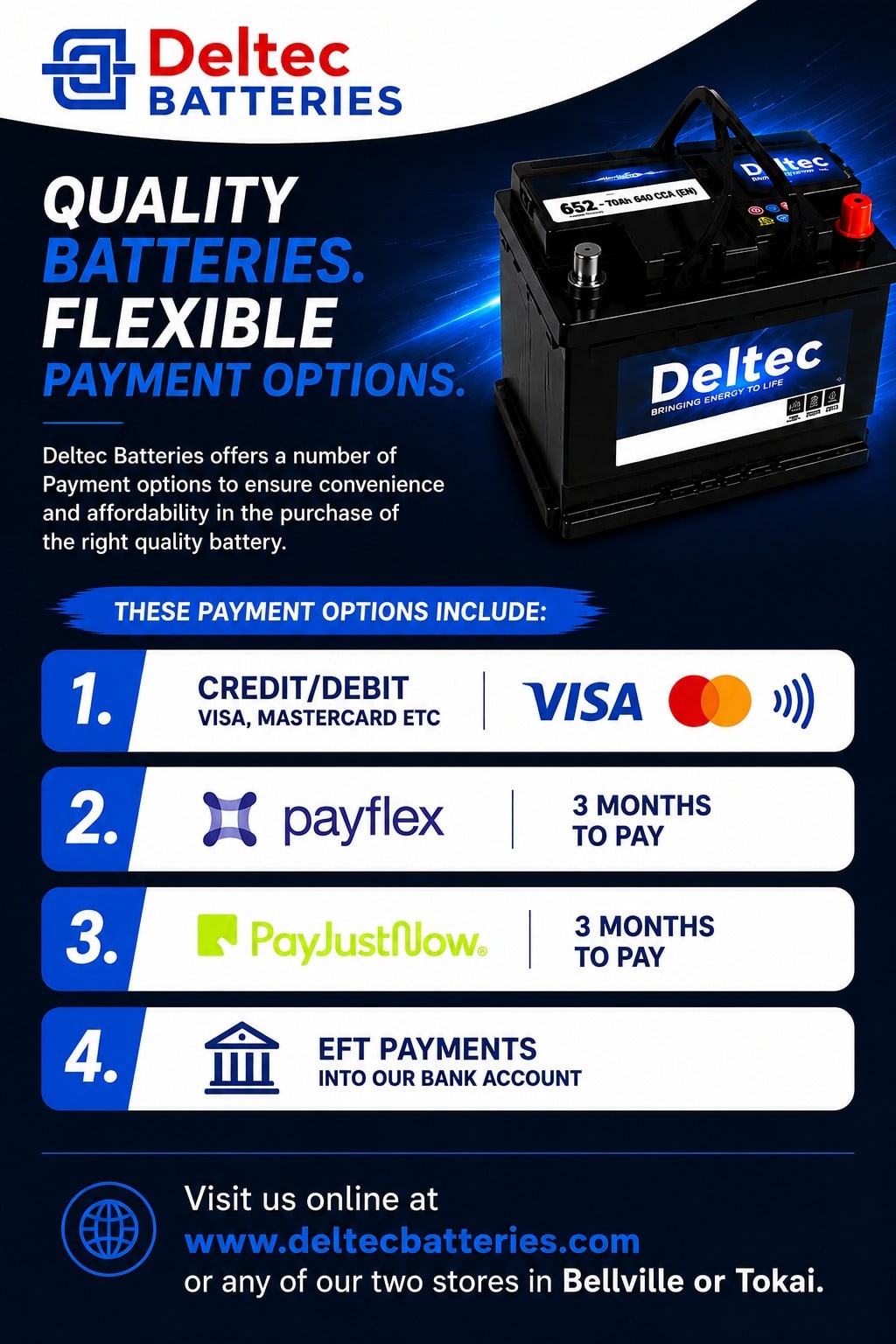
Convenient payment
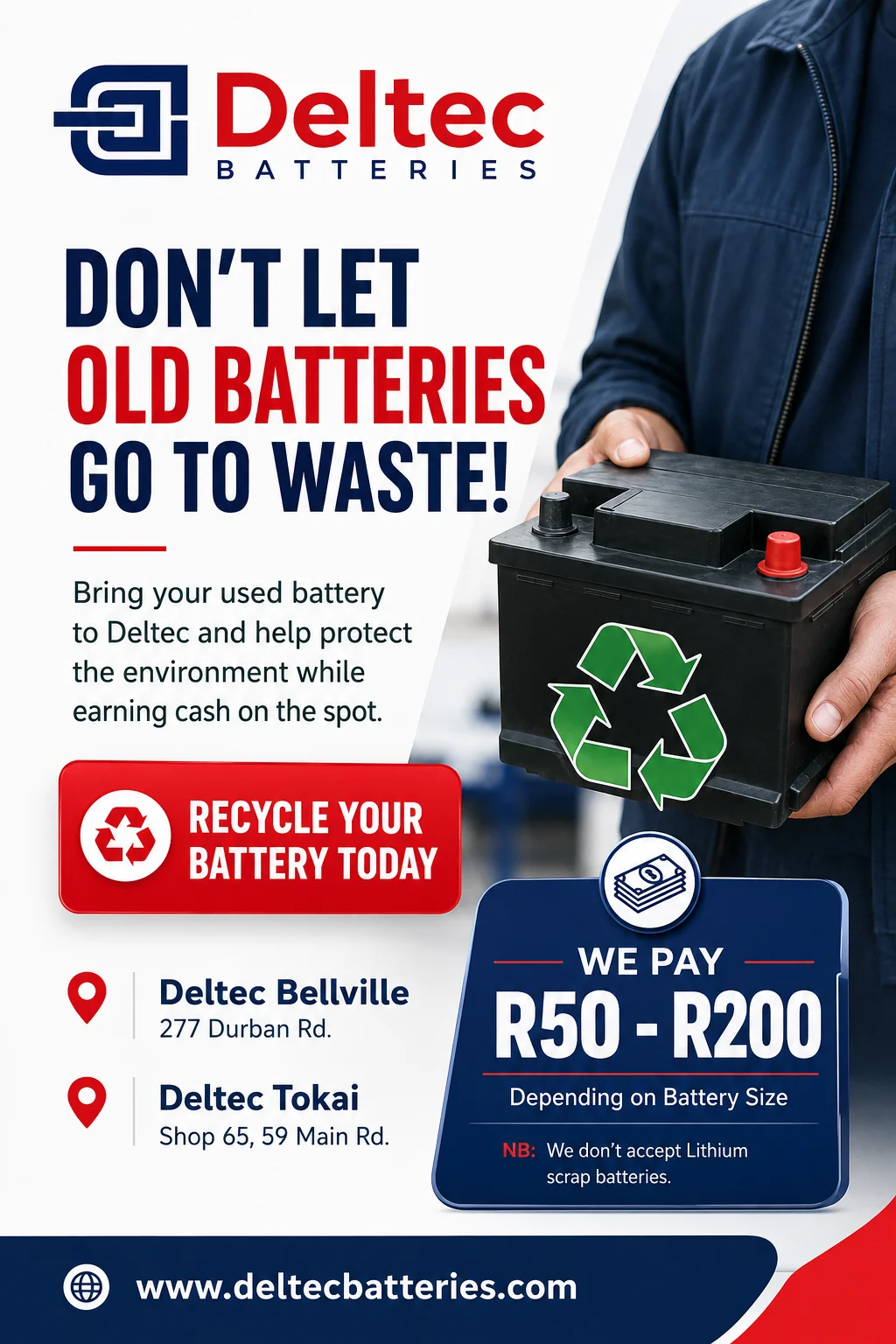
Earn Money Recycling
Recent Blog pOSTS